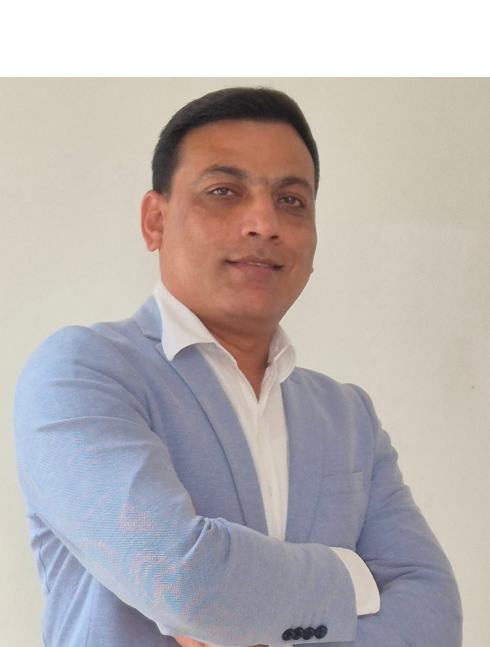
Dr. Srinivas Maskal R is an interventional radiologist in Bengaluru with 12 years of experience in image-guided minimally invasive treatments for vascular and non-vascular conditions.
Compassionate, Precise Interventional Radiology Care

About Dr. Srinivas Maskal R
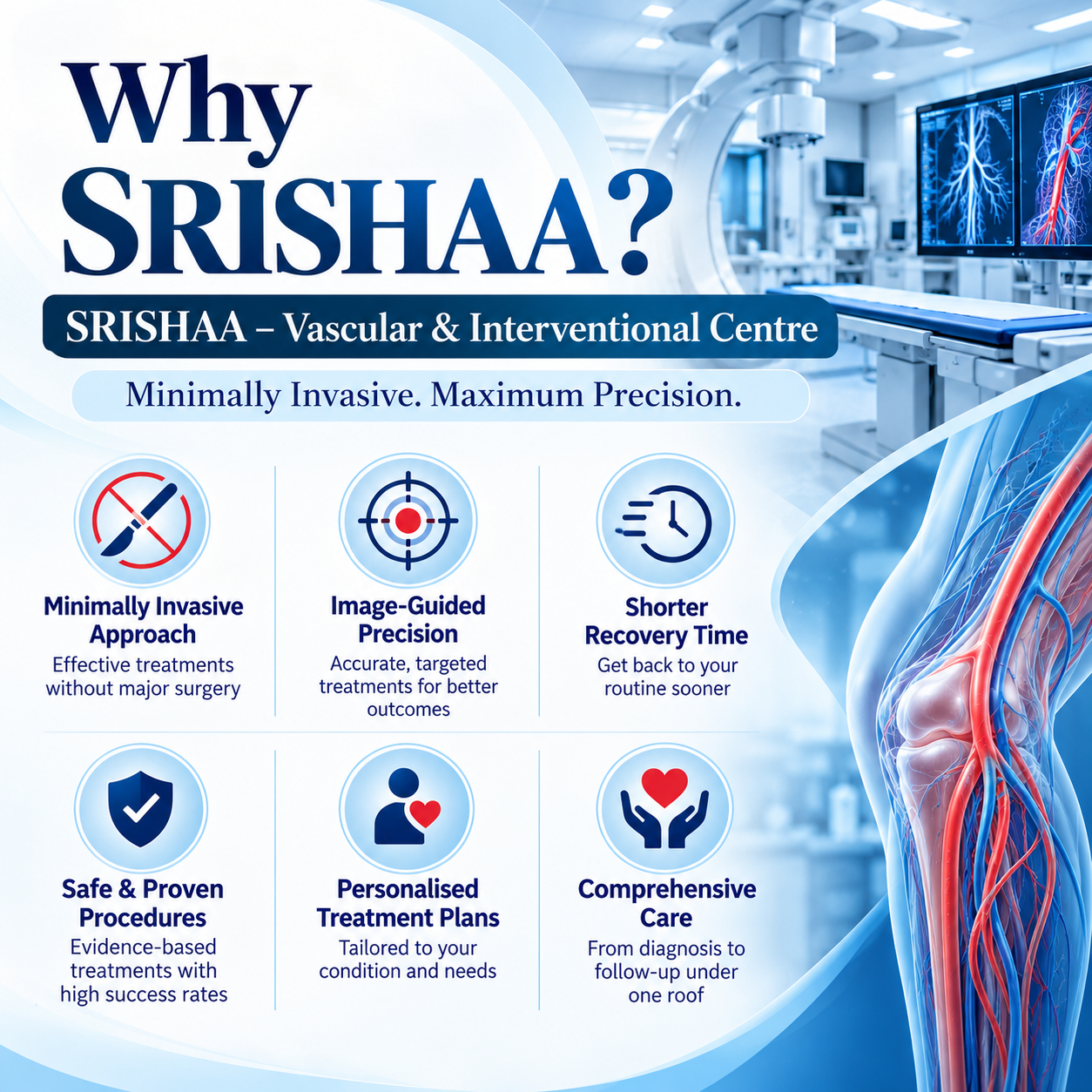
Dr. Srinivas Maskal R is a dedicated Interventional Radiologist with over 12 years of experience in delivering advanced, image-guided care with precision and compassion. At SRISHAA Vascular and Interventional Centre, he focuses on minimally invasive procedures designed to diagnose and treat a wide range of vascular and non-vascular conditions while helping patients avoid unnecessary surgical trauma whenever appropriate. His academic and professional training, including MBBS, MDRD (PGIMER), PDCC, and EBIR, reflects a strong foundation in evidence-based medicine and modern interventional techniques. Patients value his calm, thoughtful approach and his commitment to explaining conditions and treatment options in a clear, reassuring manner, so they feel informed and supported at every step of their journey.

 Dr. Srinivas believes that the best care begins with listening closely to each patient and understanding their concerns, lifestyle, and goals before recommending a treatment plan. His philosophy is centered on combining medical expertise with empathy, using advanced imaging and minimally invasive methods to provide precise, patient-focused care.

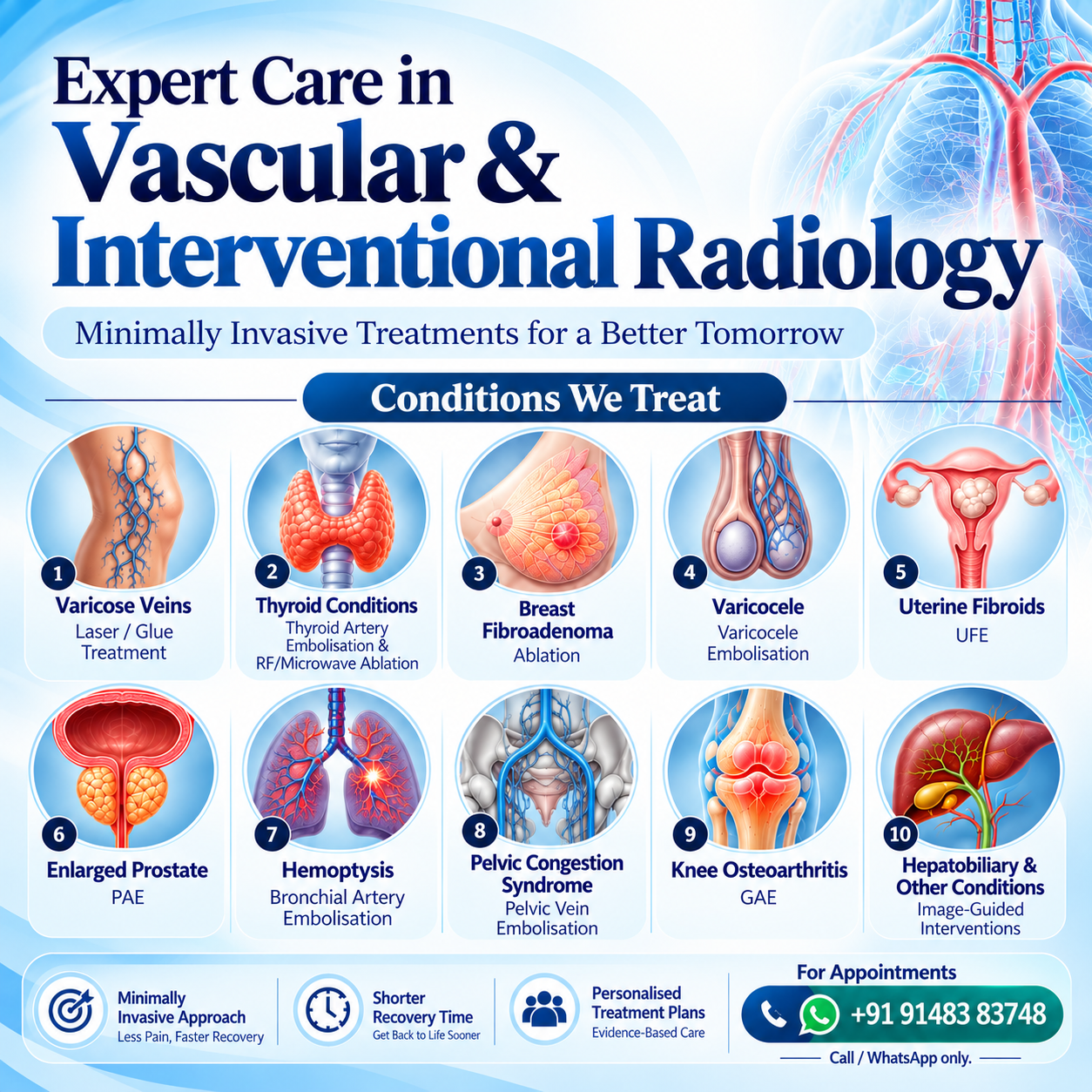
At SRISHAA Vascular and Interventional Centre, this approach supports treatment for conditions such as varicose veins, uterine fibroids, adenomyosis, prostate enlargement, varicocele, thyroid nodules, breast fibroadenoma, and selected vascular and oncological conditions, along with image-guided FNACs, biopsies, and drainage procedures. Above all, Dr. Srinivas is committed to offering ethical guidance, personalized attention, and high standards of care, helping every patient feel confident, respected, and cared for throughout their treatment experience.

Our Healthcare Services

Patient-focused healthcare services.

Patient-focused healthcare services.

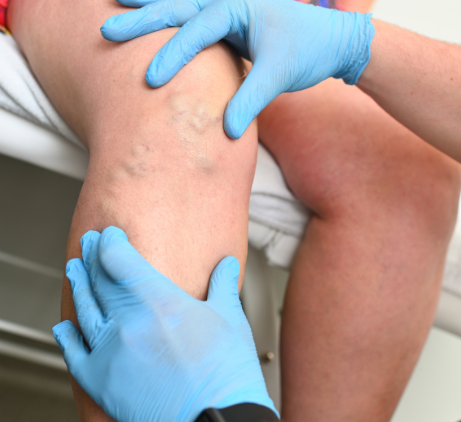
Varicose Veins
Patient-focused healthcare services.
Thyroid Conditions
Patient-focused healthcare services.
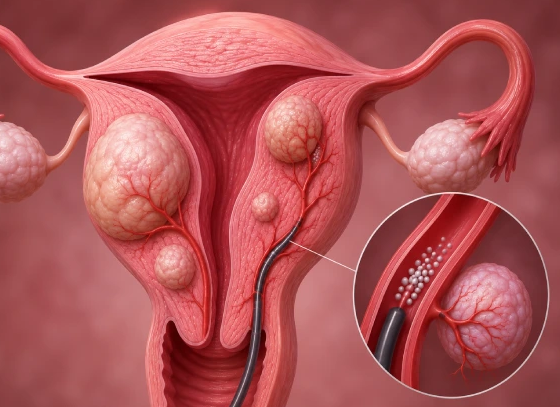
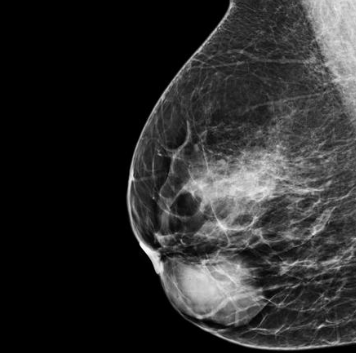
Breast Fibroadenoma
Patient-focused healthcare services.
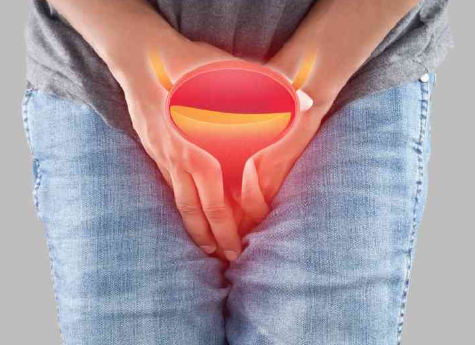
Uterine Fibroids
Patient-focused healthcare services.

Enlarged Prostate
Patient-focused healthcare services.
Hemoptysis
Patient-focused healthcare services.
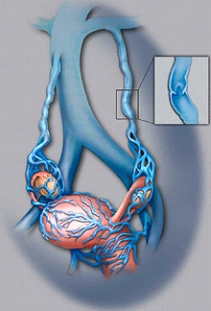
Hepatobiliary & Other Interventions
Patient-focused healthcare services.
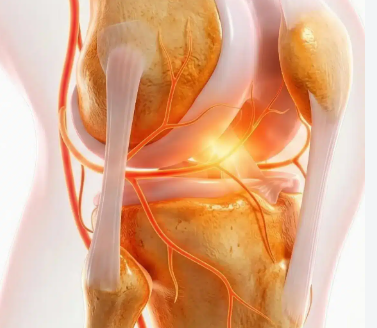
Pelvic Congestion Syndrome – Pelvic Vein Embolisation
Patient-focused healthcare services.
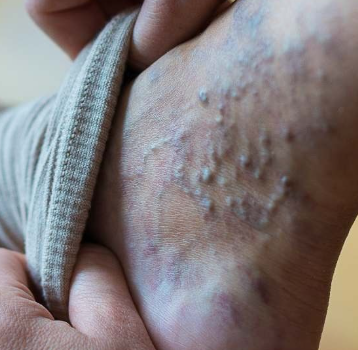
Knee Osteoarthritis – GAE
Patient-focused healthcare services.
Varicocele

Dr. Srinivas Maskal R

Interventional Radiologist

Call
Video Call
In person
Dr. Srinivas Maskal R
Qualification:MBBS, MDRD (PGIMER), PDCC, EBIR
Experience:12.0 Years
Licence No.:68587- KMC
Dr. Srinivas Maskal R is an experienced Interventional Radiologist known for combining advanced image-guided treatment with a thoughtful, patient-first approach. With 12 years of experience, he has built a reputation for precision, clarity, and compassionate care, helping patients explore effective treatment options that are often minimally invasive and designed to support faster recovery and reduced discomfort. His qualifications include MBBS, MDRD (PGIMER), PDCC, and EBIR, reflecting strong academic training as well as specialised expertise in the field of interventional radiology. At SRISHAA Vascular and Interventional Centre, Dr. Srinivas Maskal R focuses on delivering modern, evidence-based care for a range of vascular and non-vascular conditions. His area of expertise includes image-guided procedures that can help manage concerns such as varicose veins, uterine fibroids, adenomyosis, prostate enlargement, varicocele, thyroid nodules, breast fibroadenoma, and selected vascular an

Frequently Asked Questions

Common questions patients ask about Interventional Radiologist care

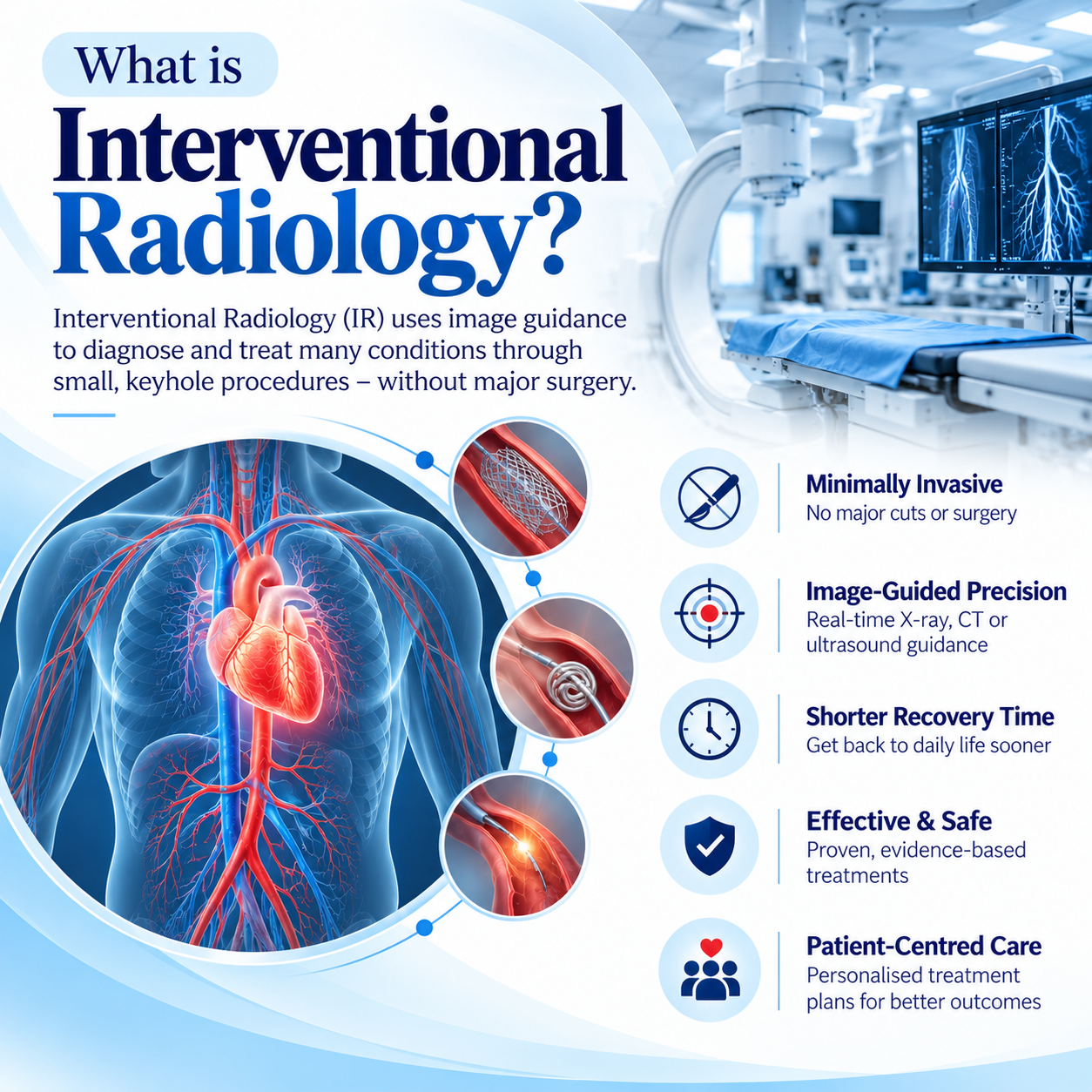
An interventional radiologist is a doctor who uses imaging guidance such as ultrasound, CT, fluoroscopy, or other advanced techniques to diagnose and treat many medical conditions through very small needle or catheter-based procedures. These treatments are often minimally invasive, which may mean smaller cuts, less pain, shorter hospital stay, and faster recovery for suitable patients. Interventional radiologists commonly help manage conditions involving blood vessels, fibroids, enlarged prostate, varicocele, thyroid nodules, biopsies, drainages, and selected cancer-related or vascular problems.

Interventional radiology is different from traditional open surgery because many procedures are performed through tiny skin punctures instead of large incisions. Using precise imaging guidance, the doctor can reach the target area accurately while causing less disruption to surrounding tissues. For many patients, this can lead to less bleeding, lower risk of infection, less discomfort, and quicker return to normal activities. However, not every condition is best treated this way, and your doctor will explain whether a minimally invasive option is appropriate for your specific problem.

Yes, interventional radiology procedures are generally considered safe when performed by qualified specialists and with proper planning. Like all medical treatments, they do carry some risks, but these are carefully assessed before the procedure. Your doctor will review your symptoms, imaging, blood tests, medications, and overall health to reduce complications as much as possible. During treatment, imaging guidance helps improve precision. After the procedure, you will be monitored and given clear instructions so that recovery remains smooth, safe, and reassuring.

Most interventional radiology procedures are well tolerated, and many patients are pleasantly surprised that discomfort is less than they expected. Depending on the treatment, the doctor may use local anaesthesia, sedation, or other pain-control measures to keep you comfortable. You may feel pressure, mild stinging, or temporary soreness, but severe pain is uncommon in many minimally invasive procedures. The team will explain what sensations to expect, monitor you closely throughout, and help manage any discomfort during recovery with appropriate medication and guidance.

Interventional radiologists treat a wide variety of vascular and non-vascular conditions. These may include varicose veins, uterine fibroids, adenomyosis, enlarged prostate, varicocele, thyroid nodules, certain breast lumps such as fibroadenoma, fluid collections, blocked or narrowed blood vessels, and selected oncology-related conditions. They also perform image-guided FNAC, biopsies, and drainage procedures. The exact treatment depends on your diagnosis, symptoms, imaging findings, and overall health. Your doctor will help you understand whether interventional radiology is a suitable option for your condition.

Preparation depends on the type of procedure you are having, but patients are usually given clear instructions in advance. You may be asked to fast for a few hours, stop or adjust certain medications such as blood thinners, and bring previous reports or scans. Blood tests may be needed to check kidney function, bleeding risk, or other important factors. It is also helpful to inform the doctor about allergies, pregnancy, diabetes, or ongoing illnesses. Careful preparation helps make the procedure safer and smoother.

Recovery time varies depending on the condition treated and the type of procedure performed, but many interventional radiology treatments involve shorter recovery compared with conventional surgery. Some patients go home the same day, while others may need a short observation stay. You may have mild soreness, bruising, or tiredness for a brief period. Most people can return to routine activities fairly quickly, though strenuous activity may need to be avoided temporarily. Your doctor will provide personalised recovery instructions based on your procedure and health status.

Not always. Many interventional radiology procedures are done as day-care treatments, meaning you may go home the same day after a period of monitoring. Some procedures, however, may require overnight observation or a short hospital stay depending on the complexity of treatment, your medical condition, or how your body responds afterward. The goal is always to keep treatment as safe and convenient as possible. Before the procedure, your doctor will explain what to expect, including whether admission, observation, or same-day discharge is likely.

A good candidate is someone whose condition can be treated effectively and safely through image-guided techniques instead of, or sometimes along with, conventional surgery or medication. Suitability depends on the diagnosis, size and location of the problem, severity of symptoms, previous treatments, and overall health. Not every patient needs an interventional procedure, and not every condition is best managed this way. The reassuring part is that your doctor will carefully evaluate your case and discuss all reasonable options before recommending the most appropriate plan.

During the first consultation, the doctor will listen to your symptoms, review your medical history, examine you when needed, and study any previous scans, reports, or test results. The discussion usually focuses on understanding your diagnosis clearly and deciding whether image-guided treatment may help. You will also have the chance to ask questions about benefits, risks, alternatives, cost considerations, expected results, and recovery. This visit is meant to be informative and reassuring, so you can make a confident and well-informed decision about your care.

Image-guided biopsies and FNAC procedures are widely used because they help the doctor target the exact area of concern with greater precision. Imaging guidance improves accuracy, especially when a lump or abnormal area is small, deep, or difficult to assess by touch alone. These procedures are usually quick and minimally invasive, and they can provide important information for diagnosis and treatment planning. While no test is perfect, image guidance significantly improves sampling quality and helps reduce the chances of unnecessary delay or uncertainty.

You should consider seeing an interventional radiologist if you have been diagnosed with a condition that may benefit from minimally invasive treatment, or if you want to explore alternatives to open surgery. This may include varicose veins, fibroids, adenomyosis, enlarged prostate, varicocele, thyroid nodules, unexplained swelling, fluid collections, or the need for a biopsy or drainage procedure. If you have symptoms affecting daily life or have been advised about surgery, a consultation can help you understand whether a less invasive option may be suitable.

Location & Location Map

Location
addressAddress

Ground Floor, No.582/K, 7th Main Road, Vinayaka Layout, Nagarbhavi 2nd Stage, Behind Nandhana Restaurant, Bangalore Urban 560072, Karnataka
Working Hours

MONDAYClosed
TUESDAYClosed
WEDNESDAYClosed
THURSDAYClosed
FRIDAYClosed
SATURDAYClosed
SUNDAYClosed

Contact Us

Contact Us

  • Email: null
  • Phone: 9148383748

Website Powered by icareheal

© SRISHAA Vascular and Interventional Centre 2025